
Types of Baklava
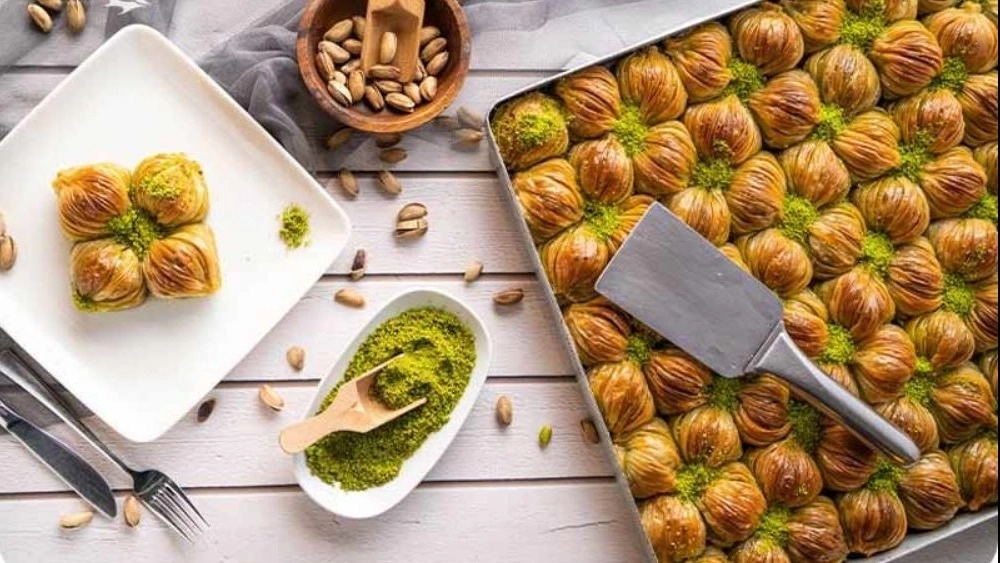
Baklava is made in different cities and countries with different types. In addition to the different appearance, they also have different methods of preparation, each of which has its own way to prepare Baklava. Baklava Turkish, Arabic, Iranians are among the most popular beans in the world.
Baklava Turkish History
first entered Turkey in the late 17th century, and over time changed and transformed into the current form. This pastry was first served in the kitchen of the Topkapi Palace in Istanbul in 1437. Baklava is related to a kind of Turkish dessert called Gaulsh, which is used in the holy month of Ramadan. This delicious dessert had a very special place in the Ottoman era and was given to the soldiers as a valuable gift and reward. Baklava had a special place in all different Ottoman periods and was cooked as a special pastry at most parties and celebrations at the palace and was broadcast for reception among guests.
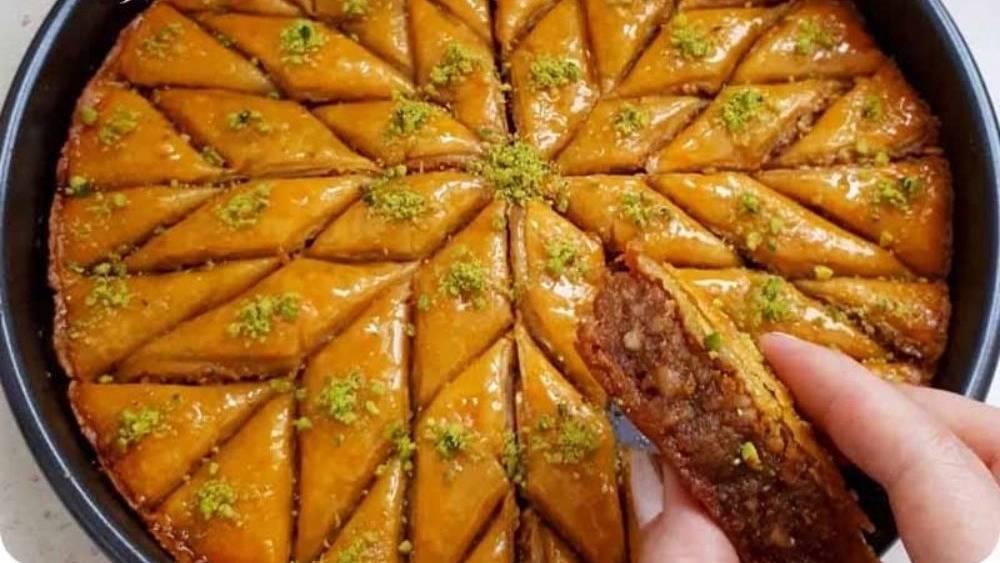
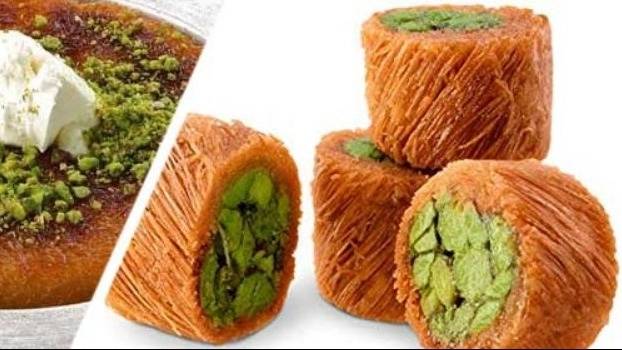
often how to make a Turkish bean with ufka paste is very popular and is also produced in various cities of Iran, such as Shiraz and Isfahan. Famous beans are Tabriz Baklava. Other types of Turkish baklava are Turkish baklava with Kadayev. This type of baklava is made with Kadayev strands and is very easy to prepare.
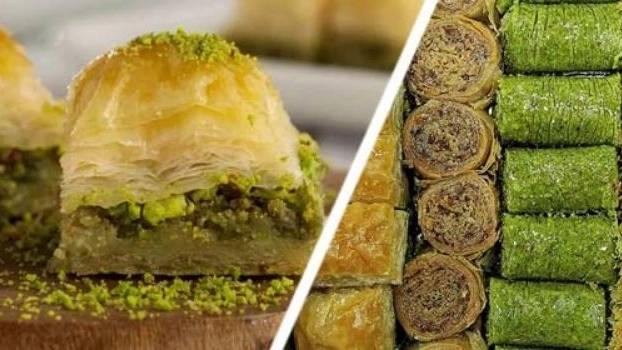
Turkish Baklava is a traditional pastry among the Turkish people in Central Asia. This pastry is common in many countries, especially Lebanon, Syria, Türkiye, and especially the city of Judge Antep, Türkiye. So that in Turkey it is selected as the first dessert in the restaurant and cafes and in various festivals and celebrations as a popular pastry is the first option. It is very different and delectable and is very different from the examples in the market. In addition to honey, they use fresh and tasty brains (hazelnuts, walnuts, almonds, pistachios).
Turkish Baklava Properties
History of Arabic Baklava
Definitely the name of the Arabic baklava has been eaten many times. This pastry is prepared in parts of Palestine and Syria with walnuts, sugar syrup and filo paste and then converted into small pieces. In the Republic of Azerbaijan, Baklava is called "Pakhlava" which is very welcomed in spring and Eid Nowruz. Walnuts and almonds are used to make this type of baklava. Cloves and cinnamon are also used in Armenia. You can find the world's most famous and delicious baklava in Ghazi, Türkiye, and Baki Pakhlavasi in Baku.
History of Iranian Baklava
Iranian baklava dates back to the Assyrian time, though it is different from modern -day shape and made dry fruits between two doughs and cooking in the oven. The most famous baklava is in the cities of Tabriz, Yazd and Qazvin. Baklava of different cities is very different and each has its own characteristics. For example, Tabriz baklava, unlike Qazvin and Yazd, are very nectar, and the baklava of central areas is low but sweet.
Types of Iranian beans
Baklava Tabrizi
Due to the low distance between Tabriz and Türkiye, the oldest type of Baklava belongs to Tabriz. Baklavi Tabriz is the most popular pastry of Tabriz people in the holy month of Ramadan. Baklava Istanbul is one of the most famous beans in Tabriz, which is very similar to its Turkish type. There is another type of pastry that is known as a filament (khatta strand).
Yazdi Baklavi
Certainly when the name of Yazd's sweets come to mind, the name of Haj Khalifa "Iran's confectionery" comes to your mind. Yazdi Baklava is one of the oldest Iranian beans known as Yazd's popular and regime souvenirs. To make this traditional pastry you need a lot of care. To make this type of baklava, they use a dough that looks like bread dough, which is called "lavash baklava" in the local dialect. To make this pastry, they use a pot that contains a lot of pistachio powder and eventually prepares the syrup on it.
Types of Yazdi Baklava
Qazvini Baklavi
"Ghazvini Rose Baklava" is one of the famous Iranian beans. Its dough is similar to ordinary bakery and is made from flour, butter or oil, concentrated syrup, sugar, milk, rose water and egg yolk. It also uses cardamom, sugar powder, almonds. The main difference between the ordinary baklava and the Qazvini is their appearance. In this style, the baklava spreads a relatively thin layer and cut into a square and pour the ingredients into the dough and wrap them into flowers. They are made in two different types. In the first method, after wrapping the oven, they are fry in the second type and then immersed in thick syrup.
Baklavi Jasm (Gilani)
because of the abundance of jasmine flowers in Gilan, a different kind of different kind There is a baklava in this city. To make Baklava Gilani, peel and dry the almonds and place in a container and pour some jasmine flowers and then close in the pan. After a day, the flowers are collected and the flowers are fresh again and continue until the almonds are completely smelled and the color of the flower. Color: RGB (33, 41); Mix the powder and use it for the brain. Jasmine is very fragrant and no longer needs to push.
Properties of Baklava
Baklava has high properties and energy and there are 540 calories per 100 grams; Therefore, because of the value of protein and high carbohydrates, baklava is suitable for a pre -exercise meal. This amount of calories is due to the ingredients used in addition to its extraordinary taste, it has a high nutritional value. Due to the abundance of unsaturated fat, vitamin E, potassium, magnesium due ;; Pistachio is rich in iron, fatty substances, protein, phosphorus, vitamin A, potassium, vitamin B3, vitamin B1. The milk used in this pastry also includes high calcium and eggs, which contain a variety of protein and vitamins. Rose water, which is warm and useful for the heart, stomach, liver and is a sedative. Cardamom is also a rich source of fiber.
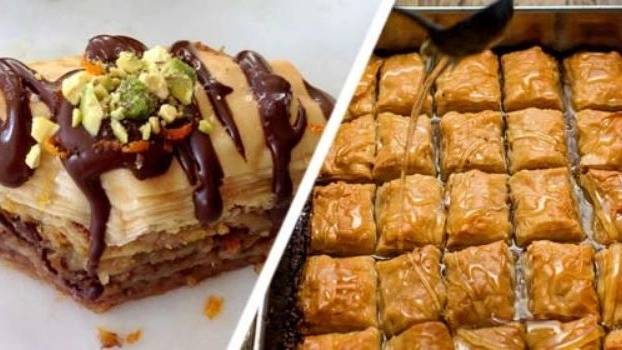
Maintenance
This traditional pastry has no preservatives, so it is important to keep it. Baklava, like many sweets, should be stored in a cool, dry place. If you want to keep it for a long time, it is best to put it in the freezer, otherwise the most suitable place for the short term is the refrigerator. But the most important thing to keep in mind is to keep it in closed containers and then nylon bags in the refrigerator. Or the freezer.